
How to choose storage cabinet vs filing cabine: selection, rollout and support checklist
Storage Cabinet vs Filing Cabinet: Selection and Configuration Guide
When equipping a workshop, maintenance bay, or warehouse, choosing between a storage cabinet and a filing cabinet is not just about appearance—it directly affects tool accessibility, load safety, and long-term maintenance efficiency. This guide compares the two based on real deployment needs, helping implementation and maintenance managers make informed decisions before procurement.
Understanding the Core Differences
Storage Cabinet
A storage cabinet is designed for industrial environments where tools, parts, molds, or heavy items need to be organized and secured. These cabinets typically feature:
- Heavy-duty construction: Made from cold-rolled steel with robust load-bearing structures.
- Flexible configurations: Options include pegboard doors, adjustable shelves, drawers, and combinations thereof.
- Industrial durability: Resistant to wear, impact, and in some cases, corrosion (e.g., stainless steel variants).
Filing Cabinet
A filing cabinet is primarily designed for document storage in office or administrative settings. Key characteristics include:
- Lighter construction: Typically made from thinner steel or other materials, optimized for paper files rather than heavy tools.
- Standardized compartments: Designed for letter-size or legal-size folders, with limited adaptability for non-document items.
- Lower load capacity: Not engineered for heavy industrial loads.
Key Comparison Criteria
1. Load Capacity and Structural Integrity
Storage cabinets are built to handle significant weight. For example:
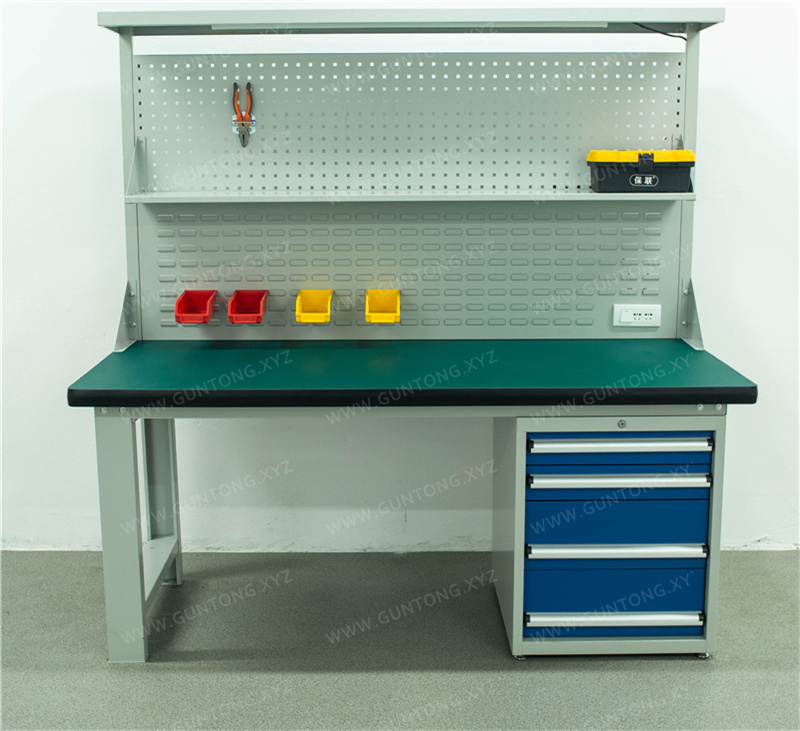
- Drawer storage cabinets: Single drawer load capacity up to 80 kg.
- Shelf storage cabinets: Single shelf load capacity up to 100 kg.
Filing cabinets, by contrast, are not rated for heavy loads and may deform or fail if used to store tools or machinery parts.
2. Material and Environmental Suitability
- Storage cabinets: Available in cold-rolled steel or stainless steel. Stainless steel variants are ideal for environments exposed to moisture, chemicals, or corrosive agents (e.g., food processing, chemical labs).
- Filing cabinets: Typically made from standard steel or wood, unsuitable for harsh industrial environments.
3. Configuration Flexibility
Storage cabinets offer modular configurations:
- Pegboard integration: Allows for visual tool management and 6S compliance.
- Adjustable shelves: Accommodate items of varying sizes.
- Drawer options: Tiered designs for organized storage of small tools and components.
Filing cabinets have fixed compartments and lack the adaptability needed for dynamic workshop environments.
4. Deployment Scenarios
| Scenario | Recommended Cabinet Type |
|---|---|
| Electronics assembly workshop | Storage cabinet with pegboard doors |
| Automotive parts maintenance | Heavy-duty drawer storage cabinet |
| Warehouse tool storage | Shelf storage cabinet with adjustable tiers |
| Office document management | Filing cabinet |
Decision Checklist for Implementation Managers
Before finalizing your choice, verify the following:
- Load requirements: Calculate the total weight of items to be stored. If exceeding typical filing cabinet limits, a storage cabinet is mandatory.
- Environmental conditions: Assess exposure to moisture, chemicals, or temperature fluctuations. Stainless steel storage cabinets are recommended for corrosive environments.
- Accessibility needs: If tools need to be retrieved frequently, consider cabinets with pegboard doors or drawer configurations for quick access.
- Space constraints: Measure available floor space and ceiling height. Confirm exact dimensions with the manufacturer based on your specific model selection.
- Future scalability: If your storage needs may expand, opt for modular storage cabinets that can be reconfigured or expanded.
Risk Boundaries and Common Pitfalls
Misapplication Risks
- Using filing cabinets for tools: This can lead to structural failure, safety hazards, and reduced equipment lifespan.
- Overloading storage cabinets: Exceeding rated load capacities can cause drawer rail failure or shelf collapse.
Configuration Errors
- Ignoring pegboard compatibility: If visual tool management is a priority, ensure the cabinet supports pegboard integration.
- Neglecting drawer load distribution: Uneven weight distribution in drawers can cause rail misalignment over time.
Implementation Steps
- Assess storage needs: Inventory items to be stored, including dimensions, weight, and retrieval frequency.
- Select cabinet type: Based on load capacity, material, and configuration requirements.
- Verify specifications: Confirm dimensions, load ratings, and material specifications with the manufacturer.
- Plan layout: Ensure adequate space for cabinet doors, drawers, and aisles.
- Install and test: After installation, test load capacity and accessibility before full deployment.
Conclusion
Choosing between a storage cabinet and a filing cabinet depends on your specific operational needs. For industrial environments requiring heavy-duty storage, tool organization, and environmental resistance, storage cabinets are the clear choice. Filing cabinets remain suitable for office document management but should not be repurposed for industrial use.
If you need assistance selecting the right storage cabinet for your workshop or warehouse, contact our team for customized solutions and on-site planning support.