
ESD Workbench Maintenance Guide: Cleaning, Grounding Check, and Lifespan Extension
ESD Workbench Maintenance Guide: Cleaning, Grounding Check, and Lifespan Extension
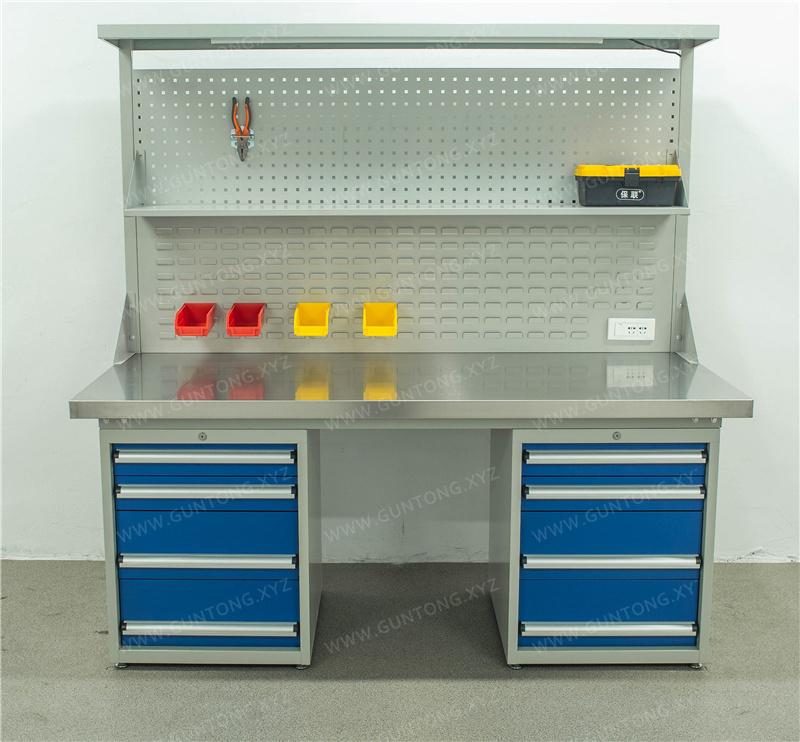
For manufacturing enterprises in electronics, automotive parts, and precision hardware, an Electrostatic Discharge (ESD) workbench is not just furniture; it is a critical component of the production line’s quality control system. When an ESD workbench fails to perform its grounding function or accumulates contaminants, the risk of damaging sensitive components increases significantly.
This guide provides actionable steps for maintenance teams to maintain ESD workbenches, focusing on cleaning protocols, grounding verification, and strategies to extend equipment lifespan. These practices are essential for maintaining 6S standards and ensuring consistent product quality.
Why ESD Workbench Maintenance Matters
ESD workbenches typically feature composite desktops designed to dissipate static electricity safely to the ground. Over time, dust, oil, and chemical residues can insulate the surface, reducing its effectiveness. Additionally, wear and tear on grounding connections can lead to intermittent failures that are difficult to detect without regular checks.
Regular maintenance ensures:
- Static Dissipation Efficiency:*
- Maintains the required resistance values (typically 10^6 to 10^9 ohms).
- Surface Integrity:*
- Prevents degradation of the anti-static coating or laminate.
- Structural Stability:*
- Ensures load-bearing capacity remains within safe limits, preventing deformation that could compromise grounding paths.
Step 1: Proper Cleaning Protocols
Cleaning an ESD workbench requires specific methods to avoid damaging the static-dissipative properties of the surface. Standard industrial cleaners may leave residues that interfere with conductivity.
Recommended Cleaning Steps:
- Dry Dusting: Use a soft, lint-free cloth or a dedicated ESD-safe brush to remove loose dust and debris. Avoid compressed air, which can drive particles into seams or grounding points.
- Wet Cleaning: Dampen a cloth with distilled water or a manufacturer-approved ESD-safe cleaner. Wipe the surface gently in one direction to avoid scratching.
- Avoid Abrasives: Never use steel wool, abrasive pads, or harsh solvents like acetone or strong acids, as these can strip the anti-static layer.
- Frequency: Perform light cleaning daily during shift changes and deep cleaning weekly or as needed based on contamination levels.
Note: For workbenches with integrated tool cabinets or drawers, ensure that internal surfaces are also kept clean to prevent static buildup in storage areas.
Step 2: Grounding System Verification
The grounding system is the core safety feature of an ESD workbench. A broken or high-resistance ground path renders the bench ineffective.
How to Check Grounding:
- Visual Inspection:
- Check the grounding cord for cuts, fraying, or corrosion at the connection points.
- Ensure the wrist strap holder (if equipped) is securely attached and the cable is intact.
- Verify that the grounding point on the floor or wall is clean and free of paint or rust.
- Resistance Testing:
- Use a calibrated ground resistance tester to measure the resistance between the workbench surface and the grounding point.
- The reading should fall within the specified range (usually 10^6 to 10^9 ohms). Values outside this range indicate a need for immediate repair or replacement.
- Frequency: Conduct visual inspections monthly and formal resistance testing quarterly, or after any significant impact or relocation of the bench.
Step 3: Extending Equipment Lifespan
Proper usage and environmental control can significantly extend the service life of your ESD workbenches.
Best Practices:
- Load Management:*
- Adhere to the specified load capacity. Overloading can cause structural deformation, which may crack the desktop laminate and break grounding paths. For heavy-duty applications, consider models with reinforced C-type cold-rolled steel frames.
- Environmental Control:*
- Maintain stable temperature and humidity levels. Extreme dryness can increase static generation, while high humidity can affect electronic components stored nearby.
- Tool Handling:*
- Train operators to place tools gently on the surface. Dropping heavy tools can dent the desktop, creating pockets where contaminants accumulate and static charges can build up.
- Regular Calibration:*
- If the workbench is part of an automated storage or retrieval system, ensure that all accessories (e.g., lean pipes, tote racks) are aligned and secure to prevent vibration-induced loosening.
Common Issues and Troubleshooting
| Issue | Possible Cause | Solution |
|---|---|---|
| High Resistance Reading | Dirty surface, corroded ground point, or damaged cord | Clean surface, polish ground point, replace cord |
| Surface Peeling | Use of harsh chemicals or abrasive cleaners | Switch to ESD-safe cleaners, reapply protective coating if applicable |
| Structural Wobble | Loose bolts or uneven floor | Tighten fasteners, level the bench, check leg adjusters |
Next Steps for Implementation
To establish a robust maintenance routine:
- Create a Checklist: Develop a simple daily/weekly checklist for operators and technicians.
- Train Staff: Educate users on proper cleaning techniques and the importance of grounding.
- Schedule Audits: Plan quarterly audits by engineering or quality assurance teams to verify compliance.
- Document Records: Keep logs of all tests and repairs for traceability and continuous improvement.
By following these guidelines, manufacturing facilities can ensure their ESD workbenches remain effective, safe, and durable, supporting high-quality production processes.
Conclusion
Maintaining ESD workbenches is a straightforward but critical task that directly impacts product quality and workplace safety. By adhering to proper cleaning protocols, regularly verifying grounding integrity, and managing loads correctly, companies can extend the lifespan of their workstation equipment and minimize the risk of electrostatic damage. Proactive maintenance is more cost-effective than reactive repairs and ensures consistent performance across all production lines.
CTA Text
Need help selecting or maintaining ESD-compliant workstation equipment? Contact Guang'ErMei Precision Components for expert advice on customized solutions tailored to your industry's specific requirements.