
Stainless Steel vs. Composite Surface Workbenches: Configuring Pegboard Capabilities for Compliance
Surface Material Implications for Dual-Pegboard Workbenches
Teams implementing 6S and cross-site standardization prioritize workbench configurations capable of carrying loaded pegboards without structural compromise. When matching capabilities for:
- Electronics manufacturing (static-sensitive)
- Automotive component inspection (chemical exposure)
- Vocational training (frequent readjustment)
two material science distinctions become decision-critical:
1. Stainless Steel Cladding
Indicated for environments with chemicals, oils, or moisture exposure:
- Outer wrap inhibits oxidation points where pegboard tools repeatedly contact surface edges
- Distinct from lower-cost alloys used in workshop supports; minimizes finishing-only applications
2. Steel Plate Composite Laminates
Chosen when precision-load management governs:
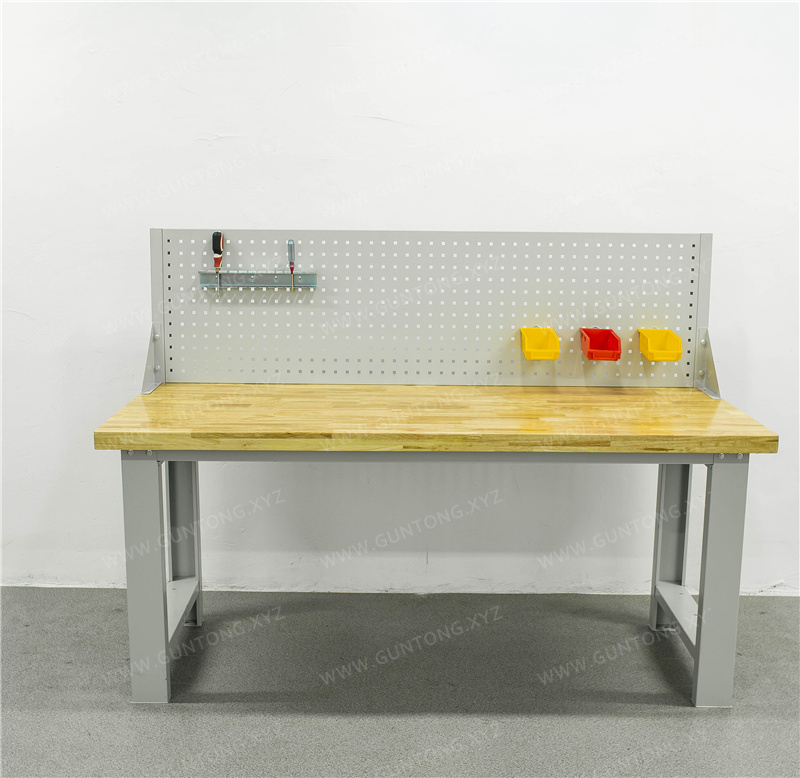
- Demonstrated in raw steel plate and high-density fiberboard cores
- Maximizes vertical pegboard weight distribution over bench frames
Surface Treatment and Material Reality
Stainless Steel Traps
- Not interchangeable with steel-dominant substrates mechanically
- Surface polishing levels affect hygienic maintenance compliance
Composite Workbench Realities
- Filler layers vary; some core boards bind condensation under protective wraps
- Factory-applied edge-sealing prevents fluid migration into compressed board layers
Reconciling Structural Configuration Differences
Workbenches with dedicated double pegboards require vendor confirmation on:
a. Frame Reinforcement
- Cross-beams or edge stiffeners necessary when pegboards cover significant workspace area
b. Static Management Grounding
Integrated continuity grounding required for electronics benches; absent in raw metal structures
Implementation Protocol for Multi-Site Teams
When replacing benched layouts across facilities:
- Document observed pegboard load patterns:
- Operational data must validate surface material selection
- Enforce consistent tool-hanging templates
- Predefined placement prevents concentrated stress points
- Material-Specific Site Verification:
- Compliance verification requires actual performance testing
Contract specifications should mandate field validation during rollout.