
Composite Workbench Customization Limits: What Manufacturing Buyers Must Verify Before Modification
Composite Workbench Customization: Critical Engineering Boundaries for Manufacturing Applications
Manufacturing enterprises, automotive parts producers, and electronics manufacturers often require workstation modifications to fit specific production line configurations. However, maintaining structural integrity and documented load capacities during customization is non-negotiable for operational safety and performance.
Non-Negotiable Structural Components
C-Type Steel Frame Specifications
The C-type cold-rolled steel frame with 100×50×1.5mm dimensions provides the fundamental structural support for composite workbenches. This specific frame configuration delivers the documented 1000kg load capacity. Any alteration to frame geometry, material thickness, or welding points requires comprehensive engineering analysis to ensure structural performance remains uncompromised.
Composite Desktop Integrity
The layered desktop structure—typically comprising 5mm raw steel plate combined with high-density fiberboard—ensures proper weight distribution and surface durability. Modifications to this composition risk undermining the workbench's load-bearing capabilities and should only proceed with manufacturer engineering approval.
Permissible Customization Within Engineering Limits
Dimensional Adjustments
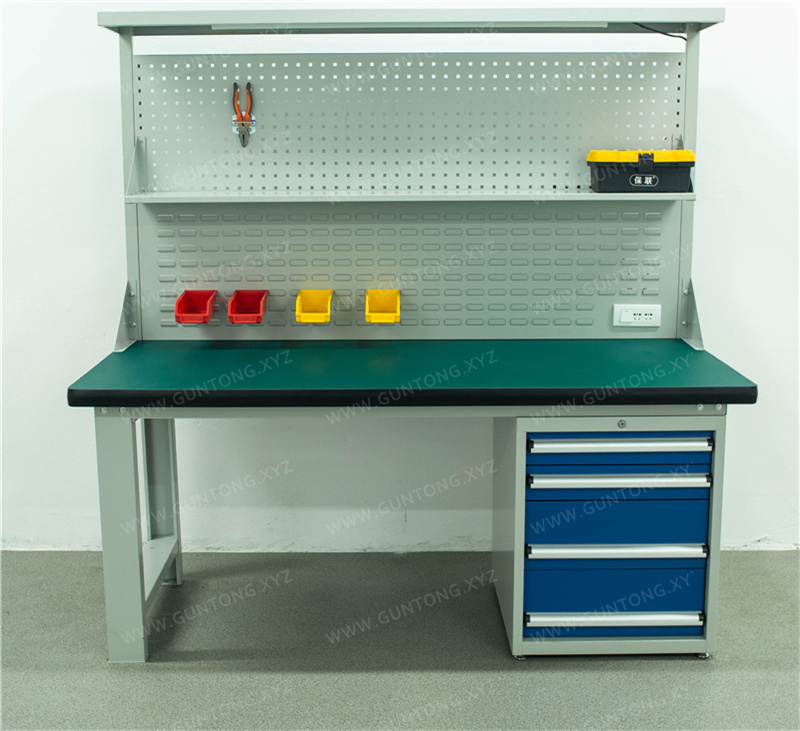
Standard composite workbenches are available in common configurations including 1500×750×800mm, 1800×750×800mm, and 2100×750×800mm. Non-standard length and width modifications can often be accommodated while preserving structural integrity, provided the core frame geometry and material specifications align with original engineering requirements.
Surface and Functional Modifications
Surface treatments, edge finishing, and accessory integration points typically allow customization without affecting structural performance when implemented according to manufacturer specifications. These include color variations, electrical outlet placements, and mounting points for specialized tooling.
Manufacturing Buyer's Verification Checklist
- Load Capacity Documentation: Require certified documentation confirming that proposed customizations maintain the original 1000kg load capacity
- Frame Integrity Certification: Obtain engineering verification that modifications don't alter critical C-type steel frame dimensions or material properties
- Desktop Structure Validation: Ensure surface modifications don't compromise the composite desktop's structural composition and load distribution capabilities
- Engineering Approval Mandate: Insist on manufacturer engineering sign-off for all non-standard customization requests
- Performance Testing Evidence: For significant modifications, require proof of load testing demonstrating maintained performance specifications
When Standard Configurations Meet Requirements
For most manufacturing environments, standardized workbench configurations provide sufficient flexibility while guaranteeing structural reliability. Consider standard solutions when:
- Production requirements align with available configurations
- Project timelines cannot accommodate engineering review processes
- Budget constraints make custom engineering cost-prohibitive
- Safety certifications mandate validated standard designs
- Rapid deployment outweighs customization benefits
Implementation Guidance for Procurement Teams
When evaluating customization needs, engage directly with manufacturers offering engineering-supported modification options. Provide comprehensive operational details including:
- Specific spatial constraints and production layout requirements
- Actual load requirements and weight distribution patterns
- Environmental conditions (temperature variations, chemical exposure, humidity levels)
- Compliance and certification mandates
- Maintenance and accessibility considerations
Custom solutions must preserve the original equipment's safety margins and performance specifications while addressing specific operational needs.
Next Steps for Manufacturing Equipment Decision-Makers
If your production environment requires tailored workstation solutions, consult with experienced manufacturers who provide engineering-validated customization options. Detailed discussions about your specific use case and operational parameters will help identify solutions that maintain structural integrity while meeting production requirements.