
Beech Top Workbench – Single Pegboard, Dual Drawers & Bottom Rail: Common Mistakes That Affect Workshop Efficiency
Where the Mistakes Start
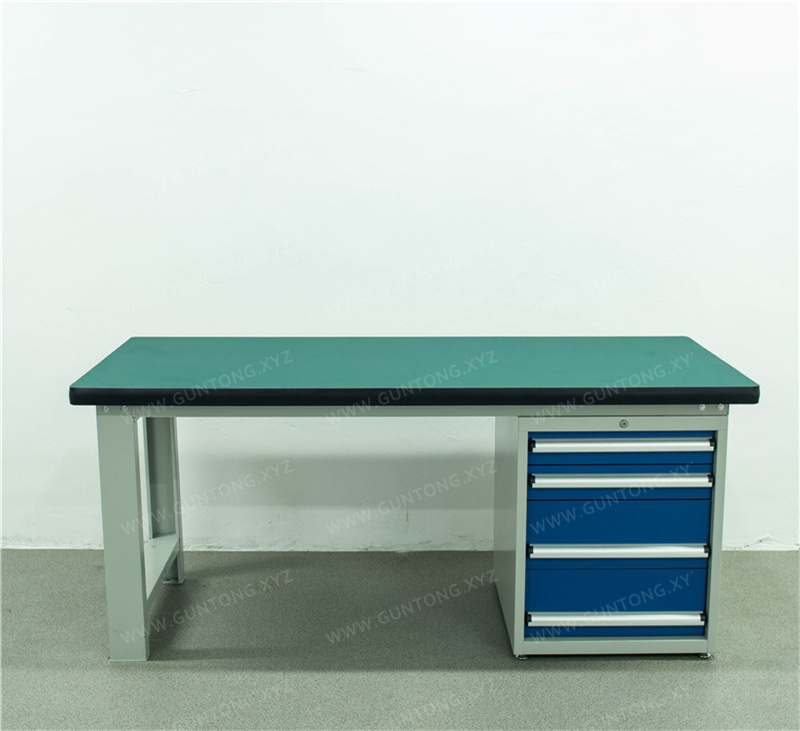
In electronics assembly, automotive parts handling, mold maintenance, and vocational training centers, workbenches are rarely just surfaces—they are active nodes in daily workflow. When teams specify a beech top workbench with a single pegboard, dual drawers, and a bottom rail, the goal is usually clear: organized tool access, stable load handling, and clean 6S alignment. Yet deployment often reveals avoidable gaps: mismatched load expectations, poorly planned drawer layouts, pegboard accessories that don’t match actual tool weights, or bottom rails installed without clearance for floor unevenness.
Guang'ErMei Precision Components supports manufacturing enterprises, hardware mold factories, maintenance institutions, and training centers with standardized and custom workstation equipment. Based on real project feedback and product engineering boundaries, this checklist helps technical evaluators and procurement teams avoid common specification errors before installation.
---
Must-Haves: Non-Negotiable Configuration Criteria
These factors directly affect safety, durability, and daily usability. Skipping them typically leads to rework or premature replacement.
- Desktop load alignment with actual use
*
Beech tops offer good impact resistance and a clean working surface, but load capacity depends on the underlying frame and support structure. Confirm the total static and dynamic load per station, including fixtures, testing equipment, or stacked components. Guang'ErMei designs workbench frames using cold-rolled steel profiles with verified load distribution; final capacity must match the selected model and reinforcement options.
- Drawer configuration matched to tool weight and frequency
*
Dual drawers are often specified for space efficiency, but height and slide rating matter. Heavy cutting tools, torque wrenches, or calibration instruments require reinforced slides and lower drawer placement to maintain stability. Lighter consumables can occupy upper tiers. Drawer load limits and internal dividers should be defined before production.
- Pegboard hole pattern and accessory compatibility
*
A single pegboard improves vertical tool visibility, but only if the hole pitch, panel thickness, and hook ratings align with actual tools. Mismatched accessories cause sagging, dropped items, or blocked retrieval paths. Specify square-hole or round-hole patterns based on existing tool hangers, and verify load per mounting point.
- Bottom rail function and floor tolerance
*
Bottom rails add structural rigidity and can support footrests or cable management, but they must account for floor flatness and cleaning access. In workshops with epoxy flooring or frequent washdowns, rail height and corner clearance should prevent debris accumulation and allow smooth trolley passage.
---
Optional Factors: Upgrades That Add Value Only When Justified
These features improve workflow but should be added based on measured need, not assumed benefit.
- Anti-static treatment or conductive edging
*
Necessary for electronics and electrical appliance manufacturing, but redundant in general hardware or mold repair. Specify only when ESD control is part of the process standard.
- Mobile casters vs. fixed leveling feet
*
Casters enable layout flexibility but reduce maximum load capacity and long-term stability. Fixed feet with adjustable leveling are preferable for permanent stations with heavy equipment.
- Integrated power or data modules
*
Useful in testing and training environments, but require conduit planning, load separation, and compliance with local electrical standards. Add only when wiring routes and maintenance access are confirmed.
- Secondary surface treatments (oil resistance, anti-scratch coating)
*
Beech naturally resists moderate wear, but chemical exposure or abrasive handling may require protective layers. Evaluate based on actual contact materials, not generic "durability" claims.
---
Risks and Boundaries: What Customization Cannot Override
Non-standard customization is a core capability at Guang'ErMei, covering dimensions, drawer layouts, pegboard positions, and material combinations. However, certain boundaries remain fixed for safety and performance:
- Load capacity is system-dependent
*
Desktop material alone does not determine safe working load. Frame gauge, joint reinforcement, leg cross-section, and floor contact all contribute. Exceeding verified limits risks deformation or joint failure, regardless of surface hardness.
- Height and depth adjustments affect ergonomics and stability
*
Extending depth beyond standard proportions without proportional frame reinforcement shifts the center of gravity. Height modifications must align with operator posture and adjacent equipment clearance.
- 6S adaptation requires planning, not just hardware
*
Workbenches support 6S implementation through labeled storage, visual pegboards, and defined zones, but sustained compliance depends on workflow design and team habits. Equipment enables order; it does not enforce it.
- Installation environment dictates final performance
*
Uneven floors, high humidity, or temperature swings can affect joint integrity and drawer operation over time. Site conditions should be assessed before finalizing specifications.
---
Long-Term Support: From Delivery to Daily Operation
A workbench is only as reliable as its support lifecycle. Guang'ErMei provides full-chain service from design and manufacturing to on-site installation and after-sales follow-up. Key support considerations include:
- Pre-delivery verification
*
Dimensions, drawer slide operation, pegboard mounting points, and rail alignment are checked against approved drawings. Custom configurations require signed confirmation before production.
- On-site installation guidance
*
Proper leveling, anchor placement (if required), and accessory mounting ensure immediate usability. Teams should verify floor conditions and clearance before delivery.
- Spare parts and accessory continuity
*
Pegboard hooks, drawer slides, and leveling feet are subject to wear. Maintaining a small inventory of matched components reduces downtime. Guang'ErMei supports replacement part supply for standard and custom models.
- Usage training and load reminders
*
Operators should be briefed on drawer load distribution, pegboard weight limits, and cleaning protocols. Simple guidelines extend service life and prevent avoidable damage.
---
Next Steps: Align Specification with Actual Workflow
Common mistakes in workbench deployment rarely stem from poor materials—they come from misaligned assumptions. By verifying load requirements, drawer usage patterns, pegboard compatibility, and floor conditions early, teams avoid rework and ensure long-term station reliability.
Guang'ErMei Precision Components combines standardized production with non-standard customization, supporting workshop planning, load-bearing design, 6S adaptation, and full-process after-sales service. Products are applied across electronics, automotive, hardware molds, maintenance and testing, warehousing and logistics, and vocational training environments.
If you are evaluating a beech top workbench with single pegboard, dual drawers, and bottom rail for a specific line or training lab, share your layout constraints, tool inventory, and load expectations. Our engineering team will provide a configuration review, dimensional options, and installation guidelines tailored to your operational boundaries.
Contact Guang'ErMei Precision Components to request a workstation specification checklist, load verification template, or on-site planning consultation. All configurations and load ratings are subject to final model selection, approved drawings, and contract terms.
Beyond the workbench itself, integrating the station into a broader material flow system prevents bottlenecks. For facilities managing high volumes of small components or calibration parts, pairing workstations with a miniload automated storage and retrieval system can streamline replenishment. Guang'ErMei's miniload solutions typically support a load capacity of 50–100 kg per bin with racking heights under 12 meters, ensuring that heavy tooling and consumables are delivered efficiently to the bench level without disrupting the 6S layout or overloading manual handling zones.