
Steel Plate Workbench Rust Prevention and Maintenance: A Practical After-Sales Guide
Who This Guide Is For
This maintenance guide is written for workshop managers, maintenance technicians, and 6S coordinators operating in electronics, automotive parts, hardware mold, and general manufacturing environments. If your facility uses heavy-duty steel plate workbenches—particularly models with a 5mm raw steel plate composite desktop and C-type cold-rolled steel frames—this page provides the specific after-sales routines needed to extend service life and prevent surface degradation.
Steel plate workbenches are engineered for high load-bearing applications, with overall load capacities reaching 1000 kg. However, the raw steel surface, while exceptionally durable, requires consistent maintenance to resist oxidation in humid or chemically exposed workshop conditions.
Before Adoption: Understanding Your Workbench Surface
Material Composition and Vulnerability Points
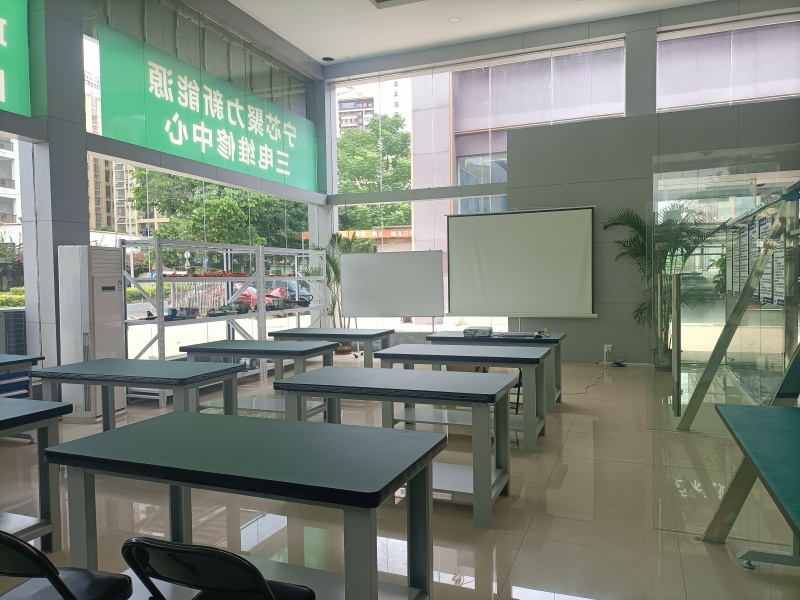
The standard steel plate workbench produced by Guang'ErMei Precision Components features a composite desktop structure: a 5mm raw steel plate bonded over a 45mm high-density fiberboard core, finished with black PVC edge banding. The frame uses 100×50×1.5mm C-type cold-rolled steel.
This construction delivers outstanding load capacity but introduces specific maintenance considerations:
- Raw steel plate surface: Unlike stainless steel or powder-coated surfaces, raw steel is susceptible to surface oxidation when exposed to moisture, coolant splashes, or acidic residues from machining operations.
- PVC edge banding: Protects the composite core from moisture ingress but can degrade if exposed to harsh solvents during cleaning.
- Cold-rolled steel frame: Typically finished with industrial paint or powder coating, but weld joints and bolt connections remain potential rust initiation points.
Environmental Risk Assessment
Before implementing a maintenance schedule, assess your workshop environment:
| Risk Factor | High-Risk Indicators | Impact on Steel Surface |
|---|---|---|
| Ambient humidity | Consistently above 70% RH | Accelerates surface oxidation |
| Coolant/lubricant exposure | CNC or grinding operations nearby | Chemical residue promotes pitting |
| Salt or chloride presence | Coastal locations or certain chemical processes | Causes aggressive localized corrosion |
| Temperature fluctuation | Unheated workshops with condensation cycles | Promotes moisture accumulation on steel |
During Operation: Daily and Weekly Maintenance Routines
Daily Cleaning Protocol
For steel plate workbenches in active production environments, follow this end-of-shift routine:
- Remove all tools, fixtures, and workpieces from the desktop surface.
- Dry-wipe the steel plate using a clean, lint-free industrial cloth to remove metal shavings, dust, and coolant residue. Avoid using compressed air directly on the surface, as this can drive fine particles into micro-scratches where moisture later accumulates.
- Address liquid spills immediately. Water-based coolants, cutting fluids, and cleaning solvents should be wiped within minutes. Prolonged contact—even overnight—can initiate surface staining that progresses to rust.
- Inspect the PVC edge banding for lifting or cracking. Damaged edge banding allows moisture to penetrate the fiberboard core, which can cause swelling and compromise the steel plate bond.
Weekly Deep-Cleaning and Inspection
Once per week, perform a more thorough maintenance cycle:
- Clean with a mild industrial degreaser diluted per manufacturer specifications. Apply with a soft cloth—never use steel wool, wire brushes, or abrasive pads on the raw steel surface, as these create micro-grooves that trap moisture.
- Rinse with a damp cloth (water only) and dry immediately with a separate clean cloth. Never allow water to air-dry on the steel plate.
- Apply a thin protective oil film using a light machine oil or dedicated rust-preventive spray. This is especially critical in high-humidity workshops or during seasonal transitions (e.g., spring condensation periods in Guangdong).
- Inspect frame weld points and bolt connections for early signs of surface rust. These areas are typically the first to show oxidation due to minor coating imperfections.
Drawer and Cabinet Maintenance
For workbenches equipped with integrated drawer units—such as the 4-drawer configuration with 80 kg per-drawer load capacity—maintenance extends to the sliding mechanisms:
- Monthly: Clean drawer rails and apply a light silicone-based lubricant. Avoid heavy grease, which attracts metal dust and accelerates wear.
- Quarterly: Check drawer alignment and rail mounting bolts. Misaligned drawers create uneven load distribution that can stress the workbench frame over time.
Troubleshooting: Identifying and Addressing Early-Stage Rust
Surface Staining vs. Active Corrosion
Not all discoloration on a steel plate workbench constitutes active rust. Use this diagnostic approach:
| Symptom | Likely Cause | Action Required |
|---|---|---|
| Light yellowish-brown film, wipes off with oil | Surface oxidation (flash rust) | Clean and reapply protective oil film |
| Dark spots that do not wipe away | Pitting corrosion initiation | Light abrasion with fine Scotch-Brite pad, then oil treatment |
| Flaking or raised rough patches | Advanced surface corrosion | Professional assessment needed; contact after-sales support |
| Rust at weld joints or bolt holes | Coating failure at stress points | Touch-up with matching industrial paint after rust removal |
Corrective Actions for Minor Surface Rust
If early-stage rust is detected:
- Isolate the affected area and remove all items from the workbench.
- Use a fine-grade Scotch-Brite pad (not steel wool) to gently abrade the rusted spot until bare, clean steel is visible.
- Wipe with an industrial solvent to remove any remaining particles and oils.
- Apply a rust-converting primer if the pit is deeper than surface level, followed by a thin coat of matching industrial paint for frame areas or protective oil for the desktop surface.
- Document the location and date for future inspection tracking.
After Adoption: Long-Term Service and Support Conditions
When to Contact Professional After-Sales Support
Routine maintenance handles most surface-level concerns. However, contact Guang'ErMei's after-sales team under these conditions:
- Structural rust on the C-type steel frame that compromises load-bearing integrity or shows through multiple layers of coating.
- Edge banding failure that has allowed moisture into the composite core, causing visible desktop swelling or delamination.
- Drawer mechanism failure where rails are corroded beyond simple lubrication or where load capacity appears compromised.
- Relocation or reconfiguration of the workbench, which may require professional disassembly and reassembly to maintain structural alignment.
Service Coverage
Guang'ErMei Precision Components provides after-sales support for workstation equipment across Huizhou and Guangdong Province, with nationwide project delivery capabilities. Support services include on-site assessment, component replacement, and workstation reconfiguration for facilities operating in electronics, automotive, hardware mold, maintenance and testing, warehousing, and vocational training environments.
Recommended Maintenance Documentation
For facilities operating under ISO or 6S management systems, maintain a workbench maintenance log that records:
- Date and type of cleaning performed
- Protective oil application dates
- Inspection findings (including photos of any developing concerns)
- Corrective actions taken and parts replaced
- Next scheduled maintenance date
This documentation supports audit compliance and helps identify patterns—such as a specific workstation location experiencing accelerated rust due to proximity to a coolant station—enabling targeted environmental improvements.
Key Maintenance Boundaries and Limitations
- Do not use acid-based cleaners on raw steel plate surfaces. These strip the protective oxide layer and accelerate subsequent corrosion.
- Do not pressure-wash steel plate workbenches. High-pressure water forces moisture into joints, drawer rails, and the composite core interface.
- Do not apply automotive wax or silicone polish to the work surface. These create a slippery finish that is hazardous in precision assembly and machining operations.
- Protective oil films require reapplication. A single application does not provide permanent protection; reapply based on your workshop's humidity and usage conditions, typically every 1–2 weeks in humid environments.
Next Steps
If your facility requires a customized maintenance plan for an existing fleet of steel plate workbenches, or if you are evaluating new workstation equipment with specific environmental durability requirements, contact Guang'ErMei Precision Components for a technical consultation. Our team can assess your workshop conditions and recommend appropriate surface treatments, material configurations, and maintenance intervals tailored to your operational profile.