
Guide to Implementing Stamped Rails with 85% Extension Limits in Manufacturing Workshop Tool Cabinets
Operational Boundaries for Stamped Drawer Rails in Workshops: Addressing Longevity Risks for Plant Infrastructure Leads
Tool storage equipment faces distinct durability risks when deployed in different manufacturing environments. For material handling platforms in automotive parts assembly stations or electronics maintenance units, exploitation of bounded rail strength triggers component failure—resulting in downtime and compliance gaps. This guideline confronts risk thresholds for stamped guide rails mandated at 85% maximum drawer extension across Guang'ErMei products like Inner Half-Pegboard Storage Cabinets versus tool carts.
Critical Verification Boundaries at Installation
Rail robustness stems from manufacturing parameters validated with practical application requirements:
- Maximum Loads by Category: Stamped rails integrated into fixed Inner Half-Pegboard Storage Cabinets sustain capacity per shelf compromise when load thresholds conform to construction material thickness. Exceeding application peak load profiles accelerates rail deformation.
- Travel Distance Capacity: Fixed at 85% extension, proper deployment demands evaluating room for full opening movement. Mobile units like 4-Drawer Tool Carts with Pegboards necessitate spatial clearance aligned with movements inclusive of pegboard tools.
- Material Authenticity Validation: Rail collapse avoidance hinges on manufacturing adherence to base materials denotation—reflecting cold-rolled steel validation between housing and shelf joints.
Assessment Metric Setup for Storage Installation Managers
Failure pattern prevention requires alignment with risk-based separation between mobile carts and static storage solutions:
| Benchmarks | Mobile Tool Cart Model Framed Seat | Fixed Pegboard Cabinet Type Cabinets |
|------------|------------------------------------|--------------------------------------|
| Rail Format | Stamped Rail with Portion Limitation (%) | Stamped Rail Defined by Extension Period Hinge (%) |
| Movement Check Levels | Unclassified Material Handling Deformation | Stationary Setting With Support Surge Benefits |
| Noise Threshold in Action | Instability Tactics on Shift-On Equipment | Constant Service Positioning Reliability |
| Risk Triggers Beyond Calibration | Misalignment Pattern from Frequent Maneuvers | Overloading Customs Bearing Significant Peeks |
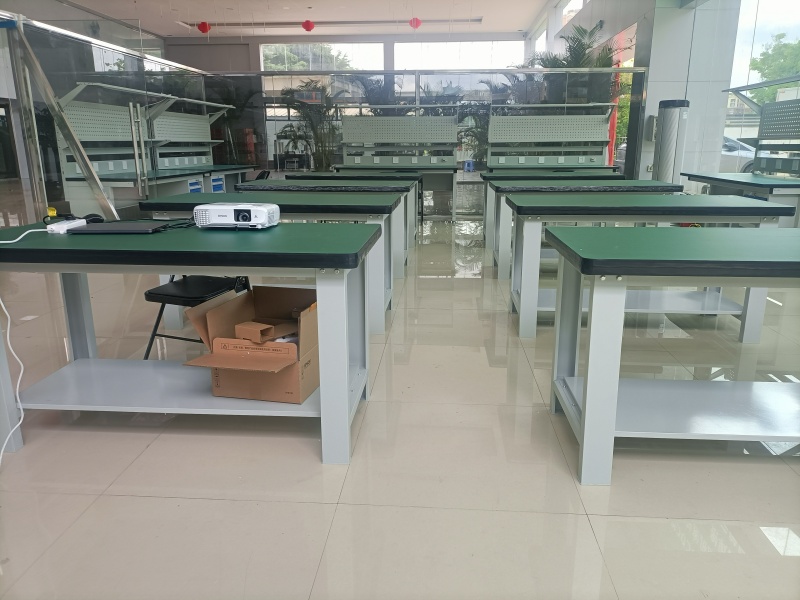
Configurative Parameters for Workshop Engineering Tasks
In shelving solutions accommodating bulk storage provisions, shelf allocation maximizes flexible weight allocation patterns; latch-bound workstations resolve multi-layer use scenarios effectively. Pedagogical carryovers in vocational schools include:
- Technical schools’ non-uniform pull-out accessories integrate modular portable rack heights.
- Shelf retention formats exhibit persistence with demand thresholds settled through foundation rolling adjustment.
Post-buyout warranty scope interfaces with defected rail refinements reverting to direct mapped plates the suppliers render.
Deployment Verifier Stage
Furnish operational space layouts and periodical load charts to moderate dedicated stamping extension rail solidification installation upgrading.