
Stainless Steel Workbench Surface Treatments: What Manufacturing Operators Must Verify Before Daily Use
Stainless Steel Workbench Surface Treatments: What Manufacturing Operators Must Verify Before Daily Use
The Surface Treatment Reality Check
Many workshop operators assume stainless steel workbenches automatically resist corrosion and chemical exposure. However, the actual performance in daily operations depends heavily on surface treatment processes that many users overlook during selection and implementation.
Critical Surface Processes for Manufacturing Environments
Acid Wash and Phosphating Treatment
Our stainless steel workbenches undergo acid wash and phosphating treatment followed by powder electrostatic spraying. This combination provides enhanced corrosion resistance and better paint adhesion, but operators must verify:
- Chemical compatibility with your specific cleaning agents
- Resistance to oils, solvents, and chemicals used in your processes
- Long-term durability under daily operational stress
Material and Structural Considerations
The 201 stainless steel surface combines with a composite base layer to create work surfaces that must balance:
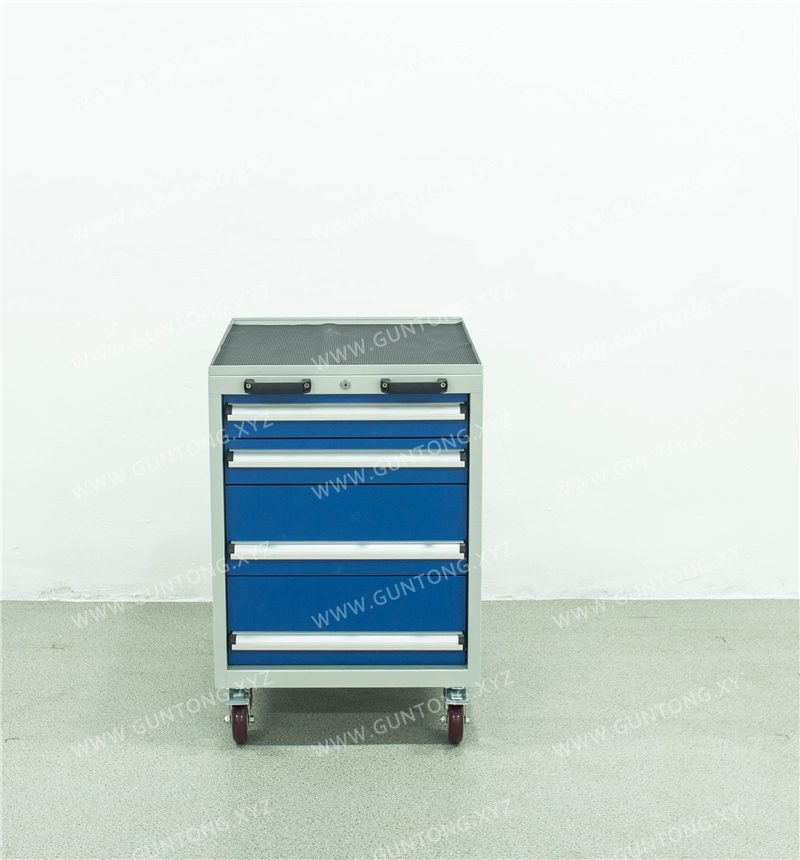
- Surface durability for tool impact and material handling
- Structural stability for component work
- Chemical resistance for manufacturing processes
Daily Operational Verification Steps
For Electronics Manufacturing
Operators in ESD-controlled environments should:
- Test surface smoothness to prevent particle generation
- Verify static dissipation properties
- Check cleaning chemical compatibility
- Assess load capacity for equipment placement
For Automotive Workshops
Mechanics and repair technicians need to confirm:
- Resistance to specific oils and solvents used
- Durability against tool drops and heavy parts
- Cleanability after exposure to degreasers
- Structural integrity under maximum load conditions
Implementation Guidelines for Operators
- Document Operational Requirements
- List all chemicals used in daily operations
- Record typical load weights and types
- Note cleaning frequencies and methods
- Verify Manufacturer Specifications
- Request detailed surface treatment documentation
- Ask for chemical compatibility test results
- Confirm load capacity matches your needs
- Conduct Compatibility Testing
- Test cleaning agents on sample surfaces
- Verify load capacity with actual components
- Assess ease of cleaning after typical use
Maintenance and Operational Best Practices
- Use pH-neutral cleaners unless specifically approved
- Avoid abrasive tools that could damage surface treatments
- Regularly inspect for surface damage or coating wear
- Document any changes in cleaning protocols or chemicals
Next Steps for Workshop Decision-Makers
When evaluating stainless steel workbenches for daily operations:
- Prioritize surface treatment verification
- alongside material quality
- Test chemical compatibility with your actual operating environment
- Verify load capacity requirements match your operational demands
- Consider customization needs for specific workshop layouts
Our technical team can provide detailed specifications and compatibility guidance for various manufacturing environments.