
Pegboard Tool Cart Capabilities: Matching 6S Visual Management Needs in Automotive Assembly
Optimizing Automotive Assembly Lines with Flexible Pegboard Tool Carts
For operations managers overseeing automotive parts assembly, implementing efficient tool organization is critical for maintaining 6S visual management standards while supporting frequent tool changes. Mobile tool carts equipped with pegboards provide flexibility. Specifying their configuration requires careful consideration of load and layout.
Pegboard Tool Cart Selection Criteria
Mobile Load Capacity Compliance
Automotive assembly environments demand reliable mobility during material handling tasks. The 4-Drawer 1-Door Tool Cart with Pegboard maintains stable mobility with industrial-grade casters beneath its steel structure. Its drawers support significant weight for transport between stations.
Visual Management Through Pegboard Integration
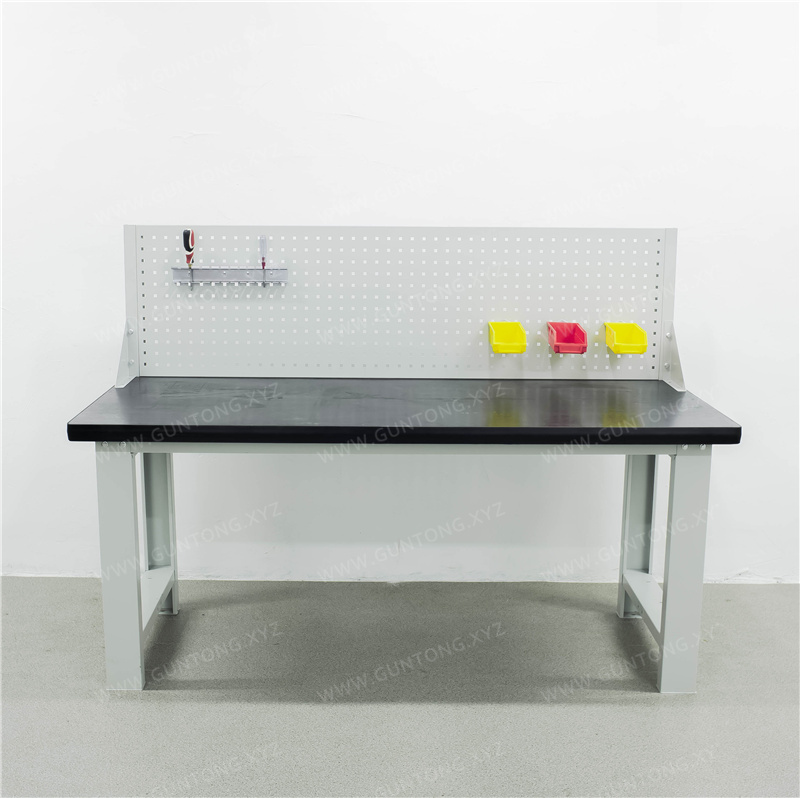
Standard square-hole pegboards enable novel hanging layouts to accommodate unique tools. Vertical integration of drawers enables tool categorization with compartments, while the pegboard serves for rapid access to tools needed during prototyping or test adjustments.
Balancing Storage Density and Retrieval Time
Combining accessible front-facing pegboards and concealed drawers allows operators to store frequently used items visibly while keeping other tools protected. This configuration supports structured compliance with 6S visual controls where tools must remain identifiable.
Implementation Guidelines
Limitations During Scaling
While pegboard carts offer adaptability, their deployment should focus on areas requiring tool relocation or multi-operator sharing. Fixed tool cabinets prove more suitable for static settings. Expand pegboard cart fleets incrementally by identifying operational needs.
Post-Installation Verification
Confirm compatibility through:
- On-site verification of ground clearance.
- Simulating wheel performance.
- Testing door access angles.
Next Steps
Partnering with manufacturing specialists helps customize these principles. Connect with solution planners to discuss layout options for your assembly workstations.