
How to choose maintenance and support,single p: selection, rollout and support checklist
Direct Conclusion
Maintenance and support for single pegboard 3-drawer composite workbenches are not reactive tasks but proactive operational disciplines. When executed correctly, they preserve structural stability, ensure consistent tool retrieval efficiency, and align with 6S workshop standards. The following sections separate common assumptions from verifiable facts, outline realistic service boundaries, and provide a clear path for implementation.
Myth vs. Fact: Desktop Surface Integrity
Myth
Composite desktops are self-sustaining once installed and do not require routine surface inspections.
Fact
Composite desktop structures demand periodic verification of fastener torque, edge banding adhesion, and surface coating integrity. Regular inspection prevents micro-fractures under dynamic loading and maintains chemical resistance for electronics assembly or hardware mold applications.
Conditions & Exceptions
Inspection frequency depends on shift intensity and material handling practices. High-frequency heavy part placement may accelerate edge wear, requiring quarterly reinforcement checks. Conversely, light-duty training or documentation stations may only need biannual reviews. All torque specifications and replacement intervals must align with the original design drawings and confirmed load ratings.
Myth vs. Fact: Drawer and Pegboard Mechanics
Myth
Three-drawer configurations automatically maintain smooth operation without mechanical adjustment over time.
Fact
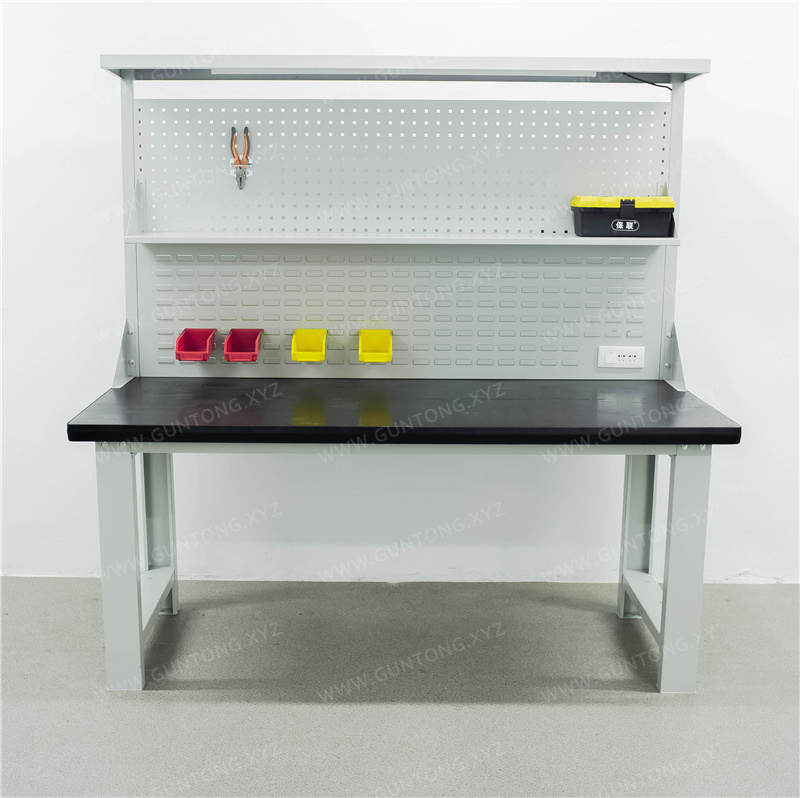
Drawer slides, locking mechanisms, and pegboard mounting points experience cumulative friction and alignment drift. Scheduled lubrication, slide rail cleaning, and pegboard hook realignment restore optimal functionality and prevent jamming during rapid tool retrieval.
Conditions & Exceptions
Slide durability correlates directly with per-compartment load distribution. Overloading specific drawers beyond rated capacity accelerates rail deformation and compromises smooth extension. Pegboard flexibility supports visual management but requires periodic bracket tightening when frequently repositioned accessories. Actual performance metrics and component grades vary by model; site teams should reference the equipment specification sheet for recommended maintenance intervals.
Myth vs. Fact: Service Scope and After-Sales Triggers
Myth
Manufacturer support only activates when complete structural failure occurs.
Fact
Comprehensive after-sales frameworks cover preventive guidance, component replacement coordination, and layout optimization. Proactive engagement allows manufacturers to adjust workstation configurations as production workflows evolve, ensuring continued alignment with spatial constraints and safety standards.
Conditions & Exceptions
Service boundaries are defined by the initial customization agreement and warranty terms. Standardized units typically follow documented response protocols, while non-standard modifications may require engineering review before field intervention. Site maintenance personnel retain responsibility for daily housekeeping and minor adjustments, whereas structural recalibration, frame reinforcement, or system-wide relocation falls within professional installation support.
Implementation and Delivery Boundaries
Effective maintenance planning requires clear role delineation between site operators and technical support teams. Workshop staff should conduct daily surface cleaning, verify pegboard hook security, and log any abnormal drawer resistance. Monthly alignment audits should check frame squareness, caster stability (if equipped), and fastener tightness. For complex scenarios involving automated storage integration, multi-tier layouts, or specialized anti-static requirements, engineering consultation ensures that modifications do not compromise original load pathways or grounding continuity. All field adjustments must remain within the parameters established during the initial workstation planning phase.
Next Steps
To establish a sustainable maintenance and support routine, begin by auditing current workbench configurations against actual floor space and workflow demands. Document existing load patterns, identify high-wear components, and schedule quarterly technical reviews. When planning upgrades or relocating equipment, coordinate with certified installation partners to preserve structural warranties and ensure compliance with local facility standards. For customized maintenance protocols tailored to your specific production environment, contact our technical support team for configuration verification and service planning.