
Integrating 6S Standards into Workstation Equipment Layout
Integrating 6S Standards into Workstation Equipment Layout
Manufacturing enterprises implementing 6S management face specific challenges when configuring workstation equipment for visual organization and cross-team operations. The integration of pegboards, drawers, and storage systems requires careful consideration of workflow patterns, accessibility requirements, and standardization needs across different shifts and departments.
Understanding 6S Integration Requirements for Workstation Equipment
6S management (Sort, Set, Shine, Standardize, Sustain, Safety) demands that tools and materials be organized in ways that support immediate visual identification and consistent access patterns. This requirement directly impacts the selection and configuration of workstation components such as the Inner Half-Pegboard Storage Cabinet, which features an inner half-pegboard structure with upper interior sections and dual pegboard layouts on cabinet doors for improved retrieval efficiency.
The technical configuration of these systems must balance accessibility with security. For instance, some configurations include drawers with substantial load capacity per drawer while maintaining stable overall structural integrity. This specification ensures that heavy tools can be stored safely while remaining accessible for daily operations.
Common Misconceptions About Pegboard and Drawer Integration
Many manufacturing facilities assume that adding pegboards automatically achieves 6S compliance. However, effective integration requires strategic placement based on usage frequency and team workflows. A common configuration mistake involves placing frequently accessed items in hard-to-reach locations or failing to maintain consistent visual cues across multiple workstations.
Another misconception involves underestimating the importance of load distribution. Some configurations may feature significant load capacity per shelf with adjustable shelving systems, but improper weight distribution can compromise both safety and 6S compliance objectives.
Technical Configuration Guidelines for 6S Compliance
Pegboard System Integration
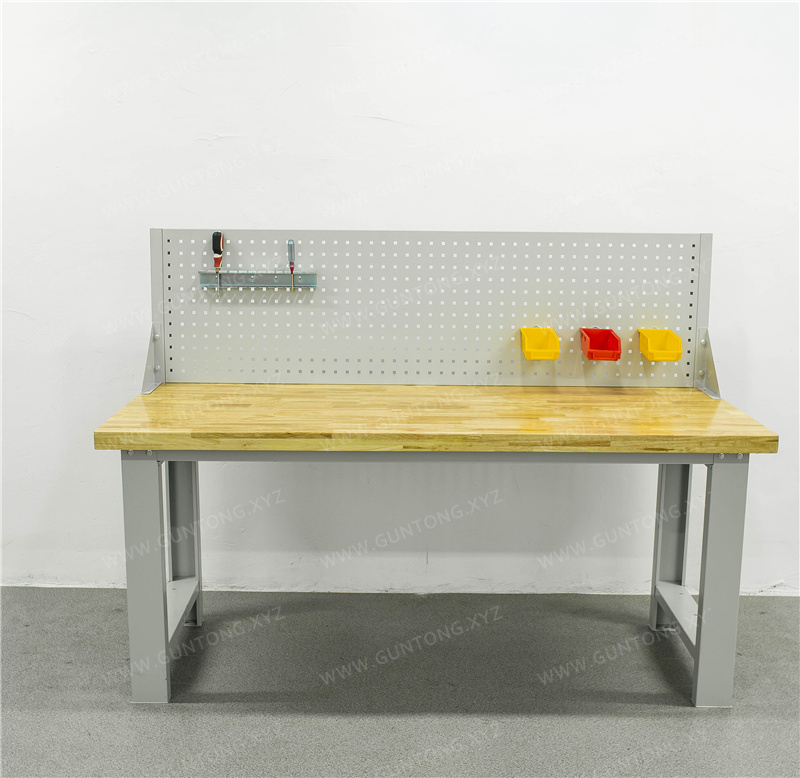
Pegboard systems support 6S principles through visual tool identification and standardized placement. The standard square-hole pegboard configuration allows for flexible expansion and visual management. When implementing these systems, consider:
- Tool shadow boards positioned at eye level for immediate identification
- Consistent color coding across similar tools and functions
- Strategic placement of frequently used items within easy reach
- Regular spacing patterns that support visual inspection
Drawer System Optimization
Drawer configurations must support both accessibility and organization. Systems featuring 4-drawer tiered designs allow for organized storage and retrieval of tools in various sizes. Key considerations include:
- Drawer opening percentage (some configurations allow up to 85% opening)
- Weight distribution across multiple drawers
- Clear labeling systems that remain visible during operation
- Consistent depth and height dimensions across similar workstations
Implementation Considerations for Cross-Team Operations
Cross-team collaboration requires standardized configurations that support multiple shift operations. The Inner Half-Pegboard Storage Cabinet demonstrates this principle with its overall dimensions and cold-rolled steel construction, ensuring durability across intensive use patterns.
For facilities managing multiple teams, consistency in:
- Tool placement patterns
- Color coding systems
- Labeling conventions
- Maintenance schedules
These elements ensure that 6S standards remain consistent regardless of which team is operating the workstation.
Operational Boundaries and Maintenance Requirements
Effective 6S integration requires ongoing maintenance and monitoring. While initial setup focuses on configuration, long-term success depends on:
- Regular audits of tool placement accuracy
- Periodic adjustment of pegboard arrangements based on changing needs
- Consistent enforcement of return-to-position protocols
- Documentation of configuration changes across teams
The actual configuration parameters should be verified according to final specifications and installation requirements.
Selecting Appropriate Configurations for Your Facility
When choosing between different pegboard and drawer combinations, consider your specific operational requirements:
- Frequency of tool access
- Number of operators using each station
- Types of tools requiring storage
- Space constraints and workflow patterns
- Budget considerations for initial setup versus long-term maintenance
The selection process should involve input from all relevant teams to ensure that chosen configurations support actual operational needs rather than theoretical optimization.
Next Steps for Implementation
Successful 6S integration through workstation equipment requires careful planning and professional consultation. The specific configuration requirements will vary based on your facility's unique operational patterns and team structures.