
Heavy-Duty Auxiliary Equipment Storage: Shelf and Drawer Configuration Conflict Resolution
Heavy-Duty Auxiliary Equipment Storage: Shelf and Drawer Configuration Conflict Resolution
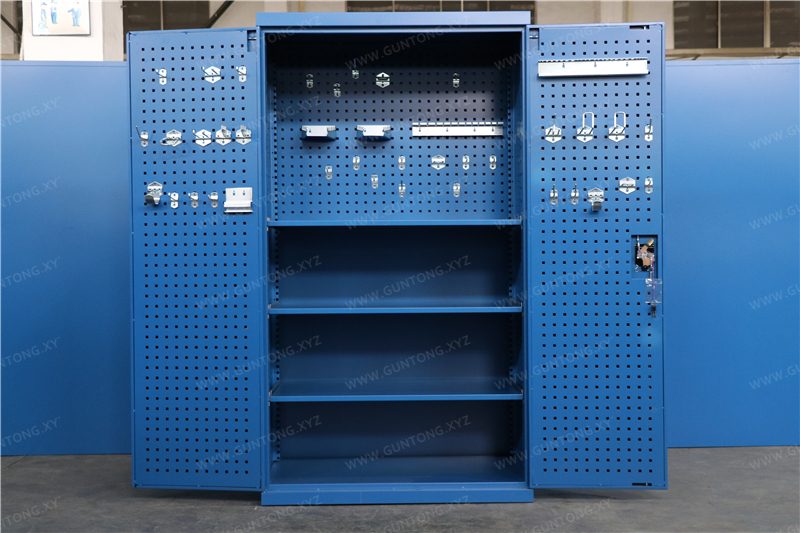
For manufacturing enterprises handling heavy-duty auxiliary equipment storage, selecting the right storage configuration between shelf systems and drawer-based solutions requires understanding specific load capacity differences and application requirements. The Inner Half-Pegboard Storage Cabinet demonstrates how 100KG per shelf capacity compares against 80KG per drawer configurations.
Understanding Load Capacity Differences
The fundamental distinction lies in weight distribution and access patterns. Shelf storage cabinets, such as those featuring 1.0mm cold-rolled steel construction, provide 100KG load capacity per adjustable shelf. This configuration suits heavy auxiliary components and stationary equipment storage where weight is distributed across the entire shelf surface.
Conversely, drawer-based systems like the 4-Drawer 1-Door Tool Cart with Pegboard offer 80KG load capacity per drawer. This limitation reflects the mechanical constraints of drawer slides and the concentrated weight distribution within individual compartments.
Application Scenarios and Decision Factors
Heavy Auxiliary Component Storage
For manufacturing facilities storing large dies, cutting tools, or heavy fixtures, shelf configurations prove more suitable. The 100KG per shelf capacity accommodates substantial weight loads while allowing flexible positioning of items across the entire shelf area. Three adjustable shelves in pegboard storage cabinets can handle varying auxiliary component sizes while maintaining structural integrity.
Precision Tool Organization
Drawer systems excel when organizing smaller precision tools, measuring instruments, or frequently accessed components. The 80KG per drawer limit ensures proper slide operation while providing organized access. For manufacturing shops requiring both heavy component storage and precision tool organization, hybrid configurations combining shelves and drawers offer optimal flexibility.
Structural Considerations and Implementation Boundaries
Frame Construction Requirements
Shelf systems typically utilize C-type cold-rolled steel frames designed to support distributed loads across multiple shelf points. The Inner Half-Pegboard Storage Cabinet specification shows dimensions with cold-rolled steel construction supporting the 100KG per shelf rating.
Drawer configurations require reinforced frame structures to accommodate concentrated loads at slide mounting points. The 80KG per drawer capacity depends on heavy-duty stamped guide rails that maintain 85% drawer opening capability while supporting maximum loads.
Weight Distribution Planning
Proper configuration requires understanding that 100KG shelf capacity assumes even weight distribution across the entire shelf surface. Concentrating all weight in one corner may compromise structural integrity despite staying within rated capacity.
Drawer systems must consider weight placement within individual compartments. The 80KG per drawer limit applies to the entire drawer contents, regardless of whether items are positioned at front, center, or rear positions.
Configuration Recommendations for Manufacturing Operations
Primary Storage Strategy
Deploy shelf systems for heavy auxiliary components, large fixtures, and infrequently accessed items requiring substantial load capacity. Position these units in permanent locations with adequate floor support for distributed weight loads.
Secondary Organization Systems
Implement drawer-based storage for precision tools, small components, and frequently accessed items requiring organized retrieval. Position mobile tool carts near workstations for immediate access during maintenance operations.
Integration and Workflow Optimization
The Inner Half-Pegboard Storage Cabinet design demonstrates how combining upper interior sections with dual pegboard layouts on cabinet doors improves retrieval efficiency. This configuration allows heavy items on shelves while providing quick-access tool organization on pegboards.
For comprehensive auxiliary equipment storage, consider implementing zone-based organization where heavy components occupy lower shelves, medium-weight items use middle shelves, and frequently accessed tools utilize upper pegboard areas.
Non-Standard Customization Process
When standard configurations don't meet specific requirements, Guang'ErMei's customization process begins with detailed workshop layout information, specific load requirements, and usage scenario documentation. The company provides three-dimensional drawings and configuration lists based on actual customer requirements rather than generic solutions.
Customization decisions should account for future capacity needs, workflow optimization, and integration with existing workstation equipment. The dual capabilities in standardized production and non-standard customization allow for precise configuration matching to specific operational requirements.
Next Steps for Implementation
Evaluate your current auxiliary equipment storage needs by categorizing items based on weight, frequency of access, and size requirements. Heavy components exceeding 80KG benefit from shelf storage, while organized tool access favors drawer configurations.
Consider workflow patterns and space utilization when determining the optimal mix of storage types. Contact Guang'ErMei for site-specific consultation and configuration recommendations tailored to your manufacturing operations.