
Drawer vs Shelf Tool Cabinets: A Practical Selection Guide for Workshop Teams
Drawer vs Shelf Tool Cabinets: A Practical Selection Guide for Workshop Teams
Manufacturing teams face a common decision when organizing workshop tools: should you invest in drawer-based tool cabinets or shelf-based storage systems? The answer depends on specific operational factors including tool weight, retrieval frequency, available floor space, and workflow patterns.
This comparison guide helps workshop managers, maintenance supervisors, and procurement teams evaluate which cabinet configuration best serves their actual working conditions.
Who This Guide Is For
This guide applies to:
- Manufacturing enterprises organizing assembly line tools and measurement instruments
- Automotive parts manufacturers managing dies, fixtures, and hand tools
- Hardware mold factories storing precision tools and heavy-duty equipment
- Maintenance and testing institutions requiring quick access to calibration tools
- Warehousing and logistics operations organizing picking tools and safety equipment
Core Comparison: Drawer Cabinets vs Shelf Cabinets
Load Capacity and Tool Weight
Drawer cabinets excel when storing medium-weight tools that require organized separation. Guang'ErMei's heavy-duty drawer cabinets feature stamped guide rails with single-drawer load capacity reaching 80kg. The drawers open approximately 85%, providing full visibility while maintaining structural stability.
Shelf cabinets work better for bulky items, large containers, or tools that don't require individual separation. Adjustable shelves typically support 100kg per level, making them suitable for heavy materials stored in bins or boxes.
Decision checkpoint: If your tools weigh 5-80kg individually and need separate compartments, choose drawers. If you store bulk items or tools over 80kg that can sit on open shelves, choose shelf cabinets.
Retrieval Frequency and Access Speed
Drawer cabinets provide faster access for frequently used tools. The tiered drawer design (available in 100mm, 150mm, and 200mm heights) allows workers to locate tools without bending or searching through stacked items. Drawer dividers and partitions keep small tools organized and visible.
Shelf cabinets require more time to locate specific items, especially when tools are stacked or stored in opaque containers. However, shelves offer better visibility for large items and allow quick grabbing of bulky equipment.
Decision checkpoint: If workers access tools more than 10 times per shift and need specific items quickly, choose drawers. If tools are used infrequently or workers grab entire containers, shelves are more efficient.
Space Efficiency and Workshop Layout
Drawer cabinets maximize vertical storage density. A standard 566×600mm cabinet footprint can accommodate multiple drawer tiers, storing more tools per square meter than equivalent shelf space. Mobile configurations with 4-inch casters (2 fixed, 2 swivel with brakes) allow repositioning based on workflow changes.
Shelf cabinets require more floor space for equivalent storage capacity but provide easier access to oversized items. They work well against walls or in dedicated storage rooms where floor space is less constrained.
Decision checkpoint: If workshop floor space is limited and tools must stay near workstations, choose mobile drawer cabinets. If you have dedicated storage areas with ample space, shelf cabinets offer simpler organization.
Implementation Path: Selecting the Right Configuration
Step 1: Audit Your Tool Inventory
Create a list categorizing tools by:
- Weight per item (under 5kg, 5-30kg, 30-80kg, over 80kg)
- Retrieval frequency (multiple times per hour, per shift, per day, per week)
- Size and shape (small hand tools, medium power tools, large fixtures)
- Current storage problems (tools getting lost, damaged, or taking too long to find)
Step 2: Match Tools to Cabinet Type
| Tool Category | Recommended Cabinet | Configuration Notes |
|---|---|---|
| Small hand tools (wrenches, pliers, screwdrivers) | Drawer cabinet | 100mm drawers with dividers |
| Medium power tools (drills, grinders) | Drawer cabinet | 150mm drawers, 80kg capacity |
| Large fixtures and dies | Shelf cabinet | Adjustable shelves, 100kg per level |
| Measurement instruments | Drawer cabinet | Shallow drawers with foam inserts |
| Bulk fasteners and consumables | Shelf cabinet | Open shelves with bins |
| Frequently used tools | Drawer cabinet | Top drawers for fastest access |
| Rarely used specialty tools | Shelf cabinet | Upper shelves or back storage |
Step 3: Plan Cabinet Placement
For drawer cabinets:
- Position within arm's reach of primary workstations
- Ensure 85% drawer extension doesn't block walkways
- Group cabinets by workflow sequence (prep → assembly → inspection)
For shelf cabinets:
- Place against walls or in dedicated tool rooms
- Reserve lower shelves for heavy items (safety and ergonomics)
- Use upper shelves for lightweight or infrequently used items
Step 4: Configure Internal Organization
Drawer cabinet options:
- Adjustable dividers for custom compartment sizes
- Foam inserts for precision tool protection
- Label holders for quick identification
- Lock mechanisms for high-value tools
Shelf cabinet options:
- Adjustable shelf heights (typically 3-5 levels)
- Bin systems for small parts organization
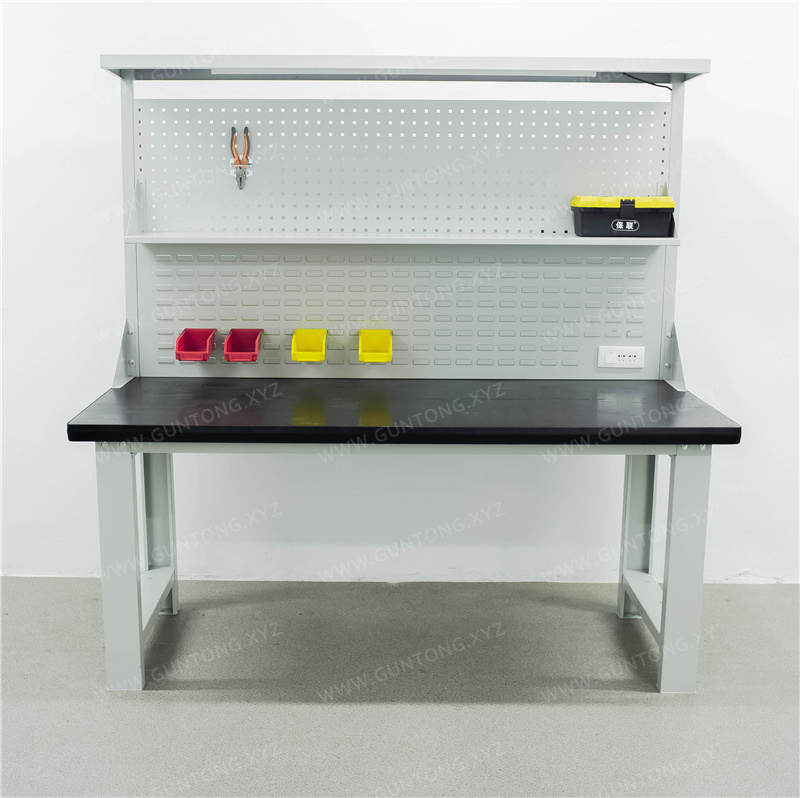
- Pegboard backing for hanging tools
- Door-mounted storage for additional capacity
Configuration Exceptions and Special Cases
When to Combine Both Types
Some workshops benefit from hybrid configurations:
- Drawer cabinet with pegboard backing: Combines drawer storage with hanging tool display (Guang'ErMei offers 500mm standard square-hole pegboard integration)
- Shelf cabinet with drawer base: Lower drawers for heavy tools, upper shelves for bulk storage
- Mobile drawer units + stationary shelf banks: Drawers move to workstations, shelves serve as central storage
Environmental Considerations
Stainless steel cabinets (drawer or shelf) are necessary for:
- Cleanroom environments (electronics manufacturing)
- Food processing or pharmaceutical applications
- High-humidity areas where standard cold-rolled steel would corrode
Standard cold-rolled steel cabinets (1.0mm or 1.2mm thickness) work for:
- General manufacturing environments
- Dry warehouse storage
- Automotive and hardware workshops
Non-Standard Customization Needs
When standard configurations don't fit:
- Oversized tools requiring custom drawer depths or shelf spacing
- Specialized dividers for unique tool shapes
- Integrated power strips or lighting within cabinets
- Custom colors beyond standard gray-white or blue (Guang'ErMei accepts color customization)
Non-standard customization typically requires 7-10 working days production time, compared to 2-3 days for standard in-stock models.
Risk Boundaries and Common Mistakes
Overloading Drawers
Risk: Exceeding 80kg per drawer can damage guide rails and create safety hazards.
Prevention: Weigh tool groups before assigning to drawers. Distribute heavy items across multiple drawers rather than concentrating in one.
Poor Drawer Height Planning
Risk: Choosing uniform drawer heights wastes space (too tall for small tools) or prevents storage (too short for larger tools).
Prevention: Mix 100mm, 150mm, and 200mm drawers based on actual tool dimensions. Place most-used tools in middle-height drawers at ergonomic reach.
Ignoring Workflow Sequence
Risk: Placing cabinets in locations that don't match work sequence forces unnecessary movement.
Prevention: Map the actual workflow path and position cabinets where tools are needed, not where space happens to be available.
Underestimating Floor Space for Drawer Extension
Risk: Drawers extending 85% can block walkways or collide with equipment.
Prevention: Measure clearance space before installation. Ensure at least 600mm clearance in front of drawer cabinets.
Next Steps for Workshop Teams
Immediate Actions
- Complete tool inventory audit using the categorization framework above
- Measure available floor space at each planned cabinet location
- Document current pain points (lost tools, slow retrieval, damaged equipment)
- Calculate budget range based on number of cabinets needed
Information to Prepare for Supplier Consultation
When requesting quotes, provide:
- Tool list with weights and dimensions
- Workshop layout showing planned cabinet positions
- Required delivery timeline (standard vs custom configurations)
- Environmental conditions (humidity, temperature, cleanliness requirements)
- Mobility needs (stationary vs mobile with casters)
Evaluation Criteria
Compare supplier proposals based on:
- Load capacity verification (request test reports or demonstrations)
- Material specifications (steel thickness, surface treatment, guide rail type)
- Customization flexibility (can they accommodate your specific tool mix?)
- Delivery and installation support (on-site planning, assembly, after-sales service)
- Warranty terms (Guang'ErMei provides 3-year warranty on tool cabinets)
Conclusion
The choice between drawer and shelf tool cabinets isn't about which is universally better—it's about matching cabinet configuration to your specific tool characteristics, workflow patterns, and space constraints.
Choose drawer cabinets when: Tools are medium-weight (under 80kg), frequently accessed, need individual organization, and floor space is limited.
Choose shelf cabinets when: Items are bulky or very heavy, used infrequently, stored in containers, and ample floor space is available.
Consider hybrid solutions when: Your tool inventory includes both categories, or when workflow benefits from combined storage approaches.
The right configuration reduces tool search time, prevents equipment damage, improves workplace safety, and supports 5S/6S management initiatives. Start with a thorough tool audit, match storage type to actual usage patterns, and work with suppliers who can verify load capacities and support customization needs.
---
Need help selecting the right tool cabinet configuration for your workshop? Guang'ErMei Precision Components provides on-site workstation planning, load-bearing design consultation, and full-process support from product selection through installation. Contact our team with your tool inventory and workshop layout to receive a customized storage solution proposal.