
Workbench Packaging Upgrades: What Extra Protections Are Added Before Shipping
Why Packaging Decisions Matter for Workshop Equipment Buyers
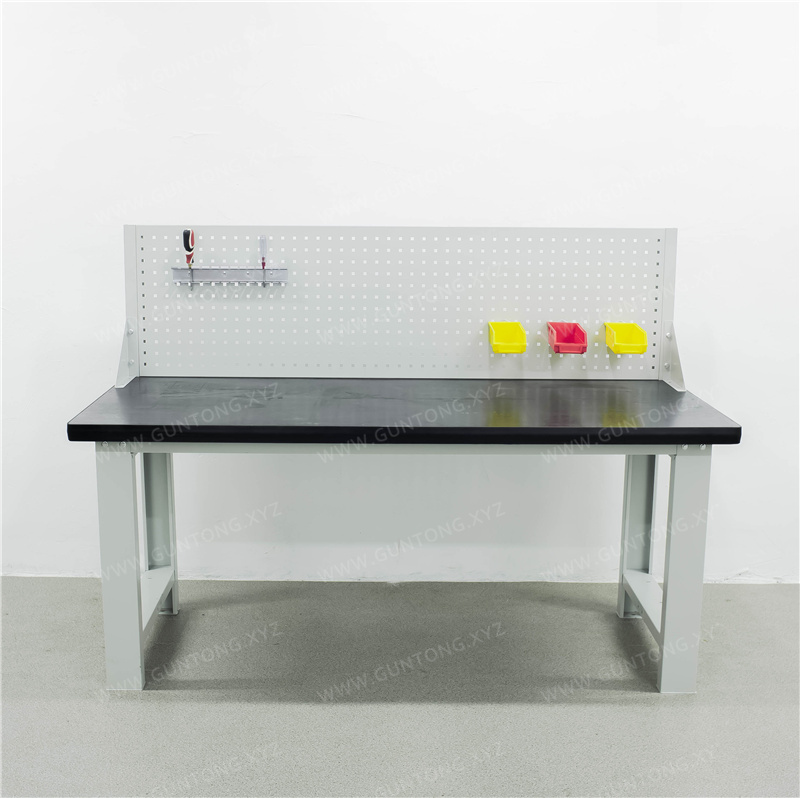
A heavy-duty steel plate workbench is not a parcel-friendly product. The composite desktop—typically a raw steel plate bonded to high-density fiberboard with PVC edge banding—adds concentrated mass at the top of the crate. Add a C-type cold-rolled steel frame rated for high total load, multiple drawers with stamped steel slides, and a square-hole pegboard back panel, and you have a shipment that behaves very differently from a flat-pack office desk.
For manufacturing enterprises, electronics and electrical appliance plants, automotive parts suppliers, and vocational training centers ordering in batches, a single damaged unit can delay an entire workstation rollout. The cost is rarely just the replacement part; it is the idle fitters, the postponed 6S audit, and the rework of lean-pipe layouts that were planned around a specific bench footprint.
This log documents the packaging upgrades Guang'ErMei applies to its workbenches, tool cabinets, and tool carts before they leave the Huizhou factory, and explains which protections are triggered by which shipping scenarios.
The Baseline: What Every Shipped Unit Already Gets
Before any upgrade is considered, every unit goes through a standard dispatch checklist:
- Desktop surface protection.*
- The steel plate top is wiped clean, then covered with a soft PE foam sheet to prevent micro-scratches from vibration during transit. The PVC edge banding is inspected for adhesion at all corners.
- Drawer and door immobilization.*
- Drawers on models such as the Single Back Panel Single Door 4-Drawer Steel Plate Workbench are closed, latched, and secured with low-residue tape so slides do not rattle loose. Cabinet doors are taped in the closed position.
- Corner reinforcement.*
- Molded paper-pulp or EPE corner guards are applied to all external corners of the crate, addressing the most common impact points when pallets are stacked or forklifts misalign.
- Pallet and strapping.*
- Units are bolted or banded to a wooden or composite pallet sized to the product footprint, with PET strapping at multiple longitudinal positions.
This baseline is sufficient for short-haul deliveries within Guangdong Province, where transit times are measured in hours and handling events are limited.
Upgrade Triggers: When the Baseline Is Not Enough
The following scenarios push packaging beyond the baseline. Each trigger adds a defined set of protections rather than a vague "extra care" label.
Trigger 1: Long-Distance or Multi-Modal Freight
When workbenches ship to facilities outside Guangdong—particularly to inland manufacturing clusters or cross-province logistics hubs—transit involves multiple loading and unloading events, exposure to humidity shifts, and longer vibration cycles.
Added protections:
- Full corrugated carton enclosure with double-wall board on the long sides, replacing the open-top crate used for local delivery.
- Desiccant sachets placed inside the carton to protect the fiberboard core of the composite desktop and the cold-rolled steel surfaces from condensation.
- Additional PET strapping in a cross pattern to resist lateral shift inside the carton.
Trigger 2: Tool Carts and Mobile Units with Casters
Products like the 4-Drawer 1-Door Tool Cart with Pegboard present a specific risk: casters can punch through the bottom of a standard crate if the load settles during braking or cornering.
Added protections:
- Caster cups or foam blocks under each wheel to distribute point loads across the pallet surface.
- The pegboard section, which extends above the main cabinet body, is wrapped separately with corrugated sleeves and tied to the cabinet frame to prevent it from acting as a lever during handling.
- Drawer load is verified empty; drawers are not shipped pre-loaded with tools or dividers unless the buyer explicitly requests a pre-kitted configuration.
Trigger 3: Tall Storage Cabinets
The Pegboard Storage Cabinet (Inner Half-Pegboard Type), with multiple adjustable shelves rated for heavy loads, has a high center of gravity and a large door area. The inner half-pegboard layout and dual door pegboards are efficient for retrieval but add surface area that can dent if the cabinet is laid flat.
Added protections:
- Cabinets are shipped upright whenever vehicle height allows; if they must be laid down, the door side faces up and a full-sheet honeycomb board is placed between the door and the pallet.
- Shelves are removed, bundled separately with edge protectors, and strapped to the inside wall of the cabinet or packed in a flat adjacent carton to prevent them from sliding and impacting the pegboard during transit.
- A "This Side Up" label with tilt indicator is applied to at least two visible faces.
Trigger 4: Batch Orders for Full Workshop Fit-Outs
When a single order includes dozens of workbenches, tool cabinets, and turnover racks destined for the same facility, the packaging strategy shifts from per-unit protection to load-plan optimization.
Added protections:
- Uniform pallet heights are planned so that truck or container loads can be stacked without overhang.
- Mixed-item pallets are avoided; each pallet carries a single SKU to simplify receiving and reduce the chance that a heavy mold rack is placed on top of a stainless steel workbench carton.
- A packing list with SKU, quantity, and pallet ID is affixed to the outside of each pallet and duplicated inside the lead carton.
What Buyers Should Verify on Arrival
Even well-packaged equipment can be compromised by rough final-mile handling. A structured receiving check takes about ten minutes per unit and catches issues before they become installation delays.
- External carton condition. Note any crushed corners, water stains, or broken strapping before signing the delivery receipt. Photograph damage with the carrier's driver present.
- Desktop surface. Remove the PE foam and inspect the steel plate for dents or scratches, and check that the PVC edge banding has not lifted at the seams.
- Drawer operation. Open and close each drawer. Confirm that the drawer heights cycle smoothly and that the stamped steel slides are not bent.
- Pegboard alignment. For units with square-hole pegboards, verify that the board is flat against the back panel and that mounting holes are not elongated from impact.
- Caster and brake function. On tool carts, roll the unit a short distance and engage each brake to confirm positive locking.
Any discrepancy should be reported with photos within the window specified in the delivery documents so that replacement parts—whether a single drawer slide or a full desktop—can be dispatched without waiting for the next scheduled production run.
Boundaries and Limitations
Packaging upgrades reduce transit damage but do not eliminate all risk. A few boundaries are worth stating plainly:
- Customs and export packing.*
- The protections described here apply to domestic freight within China. Export shipments may require fumigated wooden crates, ISPM-15 markings, or container-specific bracing, which are quoted separately based on destination.
- On-site storage before installation.*
- If the receiving facility cannot move units indoors on the day of arrival, the buyer should arrange covered, dry storage. Corrugated cartons and desiccants are designed for transit, not for weeks of outdoor staging.
- Pre-kitted drawers.*
- Shipping drawers pre-loaded with tools or bin dividers increases weight and shifts the center of gravity. Unless the project plan specifically requires it, Guang'ErMei ships drawers empty and provides divider kits separately.
Next Steps for Buyers Planning a Workstation Rollout
If you are specifying workbenches, tool cabinets, or tool carts for a new or expanding facility, a short conversation about packaging before the purchase order is issued can prevent downstream friction.
- Share the delivery address, access constraints (elevator dimensions, dock height, narrow corridors), and whether units need to reach upper floors.
- Confirm whether the receiving team will uncrate and position equipment, or whether you need installation support from Guang'ErMei's on-site team.
- For multi-site rollouts, agree on a pallet labeling scheme that matches your internal asset-tracking system.
You can review specific configurations and then reach out to discuss the packaging plan that matches your route and timeline.
Packaging specifications may be adjusted based on the final confirmed model, order quantity, and delivery route. Always refer to the signed contract and shipping documents for the binding packaging standard.